

Industrial systems run on precision. Whether it’s controlling fluid flow, maintaining pressure, or ensuring leak-proof connections, valves and tube fittings are at the heart of every efficient operation. If you’re involved in industries like oil & gas, petrochemicals, power plants, or manufacturing, understanding these components is not optional; it’s essential.
This guide is designed to give you a clear, practical understanding of industrial valves and tube fittings, how they work, their types, and how to choose the right ones for your application in 2026.
What Are Industrial Valves?
Industrial valves are mechanical devices used to control, regulate, or direct the flow of fluids (liquids, gases, or slurries) within a system. They play a critical role in ensuring operational safety, efficiency, and reliability.
From small instrumentation setups to large-scale hydraulic systems, valves are everywhere.
Key Functions of Valves:
- Start or stop fluid flow
- Regulate pressure and flow rate
- Prevent backflow
- Ensure system safety
Types of Industrial Valves You Should Know
Flow Control Valves
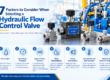
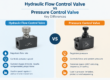
A hydraulic flow control valve is used to regulate the speed and flow rate of fluid in hydraulic systems. These valves are essential where precision control is required.
Industries often rely on experienced hydraulic flow control valve manufacturers to ensure accuracy and durability under varying pressure conditions.
Ball Valves
Ball valves are widely used due to their quick shut-off capability and minimal pressure drop.
A trusted hydraulic ball valve manufacturer and supplier ensures these valves perform reliably even in high-pressure environments. They are commonly used in:
- Oil & gas pipelines
- Chemical processing
- Water treatment plants
Needle Valves
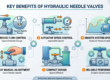
Needle valves are designed for accurate and controlled regulation of flow, making them especially useful in systems where precision is critical. They use a slender, tapered needle-like plunger that allows gradual opening and closing, enabling operators to make very fine adjustments to the flow rate.
These valves are commonly used in applications such as:
- Instrumentation and control systems
- Pressure and flow measurement lines
- Gas and liquid sampling systems
There are two primary types of needle valves:
- Hydraulic Needle Valves: Built to handle higher pressure environments, these valves are used in hydraulic systems where controlled flow and durability are essential.
- Instrument Needle Valves: Designed for low-flow, high-precision applications, these are typically used in instrumentation setups where accuracy and sensitivity are required.
In critical operations, especially those involving high pressure or sensitive measurements, needle valves must be manufactured with tight tolerances and high-quality materials. This ensures smooth operation, minimal leakage, and long service life, even under demanding conditions.
Pressure Safety Valves
Pressure safety valves, often referred to as pressure relief valves, play a vital role in protecting industrial systems from excessive pressure build-up. When pressure inside a system exceeds the safe operating limit, these valves automatically open to release the excess, helping maintain stability and prevent potential hazards.
They are commonly installed in systems where pressure fluctuations are expected, such as:
- Boilers and steam systems
- Hydraulic and fluid systems
- Oil & gas pipelines
- Chemical processing plants
The working mechanism is simple yet highly effective. The valve remains closed under normal operating conditions, but once the pressure crosses a predefined set point, it opens to discharge fluid or gas. After the pressure returns to a safe level, the valve closes again, ensuring continuous protection without manual intervention.
High-quality pressure safety valves are designed to deliver accurate pressure response, reliable sealing, and consistent performance over time. Proper selection and installation are essential to ensure system safety, reduce the risk of equipment damage, and comply with industrial safety standards.
Double Block and Bleed Valves (DBB)
Double block and bleed valves are designed for maximum safety and isolation. They use two sealing surfaces and a bleed mechanism to ensure zero leakage.
High-quality high pressure double block and bleed valves are widely used in critical applications such as:
- Oil refineries
- Offshore platforms
- Gas processing plants
What Are Tube Fittings?
Tube fittings are components used to connect pipes and tubes securely, ensuring a leak-proof flow of fluids or gases.
They are just as important as valves because even the best valve will fail if connections are weak or improperly installed.
Types of Tube Fittings
Compression Tube Fittings
Compression fittings are widely used because of their easy installation and strong sealing capability.
A reliable compression tube fitting manufacturer designs fittings that:
- Prevent leakage
- Withstand vibration
- Offer long-term durability
They are commonly used in instrumentation and low-to-medium pressure systems.
Hydraulic Tube Fittings
Hydraulic fittings are built for high-pressure applications and are designed to handle extreme conditions.
Choosing the right hydraulic tube fitting supplier ensures:
- High strength connections
- Resistance to pressure fluctuations
- Long operational life
These fittings are widely used in heavy machinery, construction equipment, and industrial hydraulics.
Instrumentation Accessories You Should Know
Apart from valves and fittings, several accessories enhance system performance and safety.
Air Headers
Air headers are used to distribute compressed air from a single source to multiple outlets.
A trusted air header manufacturer and supplier ensures uniform distribution and reliable performance in instrumentation systems.
Common applications:
- Control panels
- Pneumatic systems
- Industrial automation
Condensate Pots
Condensate pots are used in steam systems to collect and manage condensate, protecting instruments from damage.
Experienced condensate pot manufacturers and supplier design these components to improve measurement accuracy and system longevity.
Key Differences: Hydraulic vs Instrumentation Systems
Understanding the difference between these two systems helps in selecting the right components.
Hydraulic Systems:
- Operate under high pressure
- Use oil or fluid as a medium
- Require heavy-duty valves and fittings
Instrumentation Systems:
- Focus on measurement and control
- Operate under lower pressure
- Require precision components like needle valves
How to Choose the Right Valve or Fitting
Selecting the right product is critical for performance and safety. Here are key factors to consider:
Pressure Rating
Always ensure the valve or fitting can handle your system’s maximum pressure. For demanding environments, consider products from high pressure needle valve manufacturers and Supplier or DBB valve specialists.
Material Compatibility
Choose materials that are compatible with the fluid:
- Stainless steel for corrosive environments
- Brass for general applications
Temperature Conditions
Extreme temperatures can affect performance. Make sure your components are rated for your operating conditions.
Application Type
- Use ball valves for quick shut-off
- Use needle valves for precision control
- Use flow control valves for regulating speed
Installation and Maintenance
Opt for designs that are easy to install and maintain. High-quality fittings from a trusted compression tube fitting manufacturer reduce downtime and leakage risks.
Common Industrial Applications
Industrial valves and tube fittings are used across multiple sectors:
- Oil and Gas
- Petrochemical Plants
- Power Generation
- Pharmaceuticals
- Water Treatment
- Food Processing
Each application requires a specific combination of valves and fittings for optimal performance.
Latest Trends in 2026
The industrial valve and fitting industry is evolving rapidly. Here are some key trends:
Smart Valves
Integration of sensors for real-time monitoring and predictive maintenance.
High-Performance Materials
Advanced alloys and coatings for better corrosion resistance.
Compact Designs
Space-saving solutions for modern industrial setups.
Improved Safety Standards
Growing demand for reliable products from certified pressure safety valve suppliers and DBB valve manufacturers.
Why Quality Matters
Choosing high-quality valves and fittings is not just about performance; it’s about safety, efficiency, and long-term savings.
Working with trusted manufacturers like:
- hydraulic flow control valve manufacturers
- hydraulic ball valve manufacturer and supplier
- Instrument needle valve manufacturers
- hydraulic tube fitting supplier
ensures your systems operate smoothly without frequent breakdowns.
Conclusion
Industrial valves and tube fittings may appear to be small components, but they are the backbone of any efficient and safe industrial system. From controlling flow and pressure to ensuring leak-proof connections, their role is critical across industries like oil and gas, power, and manufacturing.
As we move into 2026, the demand for high-performance, durable, and precision-engineered components continues to grow. Choosing the right products, whether it’s valves, fittings, or instrumentation accessories, can significantly impact system reliability, safety, and long-term operational costs.
Ped Lock Valves ensures you get quality-driven solutions backed by industry expertise. With a strong focus on performance, durability, and engineering excellence, Ped Lock Valves delivers reliable products that meet the evolving needs of modern industries.
Making the right choice today means building a safer, more efficient system for tomorrow.