


Hydraulic systems are widely used in industrial machinery, mobile equipment, manufacturing systems, and process applications where controlled movement and reliable fluid power are essential. At the center of these systems are hydraulic valves, which help control the flow, pressure, direction, and movement of hydraulic fluid.
Choosing the right valve is important because the performance of a hydraulic system depends on how accurately and reliably fluid is controlled. Different applications require different valve designs, from valves that provide quick shut-off to those that allow precise flow adjustment.
In this guide, we will explore the common types of hydraulic valves, their advantages, applications, and the factors to consider when selecting one for an industrial system.
What Is a Hydraulic Valve?
A hydraulic valve is a mechanical device used to control hydraulic fluid within a hydraulic circuit. Depending on its design, a valve can start or stop fluid flow, regulate the flow rate, control pressure, or direct fluid toward a specific part of the system.
In simple terms, hydraulic valves act as control points within a hydraulic system. They help ensure that fluid reaches the right location at the required pressure and flow rate.
Modern hydraulic systems may use several types of valves together. For example, a hydraulic circuit could use a ball valve for isolation, a flow control valve for regulating fluid movement, and a check valve to prevent reverse flow.
Why Are Hydraulic Valves Important?
Hydraulic equipment often operates under demanding conditions involving high pressure, continuous operation, temperature variations, and exposure to industrial environments. A suitable valve helps maintain reliable system operation while allowing operators to control the movement of hydraulic fluid.
Some of the key functions of hydraulic valves include:
- Controlling hydraulic fluid flow
- Regulating pressure
- Directing fluid through different circuits
- Preventing unwanted reverse flow
- Isolating sections of a hydraulic system
- Controlling actuator speed
- Improving system safety
- Supporting efficient machine operation
The correct valve can also reduce unnecessary pressure losses and help prevent operational problems caused by uncontrolled fluid movement.
Types of Hydraulic Valves
Hydraulic valves are available in different designs because hydraulic systems have different control requirements. Some of the most commonly used types are discussed below.
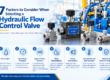
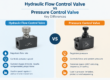
Hydraulic Flow Control Valve
A hydraulic flow control valve regulates the rate at which hydraulic fluid moves through a system. Controlling flow is particularly important when the speed of a hydraulic actuator or machine component needs to be adjusted accurately.
For example, controlling the flow of hydraulic oil can help regulate the movement speed of cylinders and other hydraulic components.
Flow control valves are commonly used in:
- Hydraulic machinery
- Industrial automation
- Material handling equipment
- Hydraulic circuits
- Manufacturing machinery
- Process systems
A well-designed flow control valve can provide consistent regulation while supporting efficient system performance. Ped Lock Valves offers hydraulic flow control valves designed for dependable regulation of fluid flow and pressure in hydraulic and fluid systems.
Advantages of Hydraulic Flow Control Valves
- Precise flow regulation
- Better control of actuator speed
- Improved system efficiency
- Reliable operation
- Suitable for demanding hydraulic applications
Hydraulic Ball Valve
A hydraulic ball valve uses a spherical ball with a passage through its center to control fluid flow. When the ball is rotated, the passage aligns with the pipeline to allow flow or moves away from the flow path to shut it off.
Ball valves are particularly useful when quick and reliable isolation is required. They can provide a strong shut-off and are suitable for many high-pressure hydraulic applications.
Common applications include:
- Hydraulic machinery
- Industrial equipment
- Oil and gas systems
- Process plants
- Fluid handling systems
- Heavy machinery
One of the major benefits of a hydraulic ball valve is its simple quarter-turn operation, which allows the operator to open or close the valve quickly. Ped Lock manufactures standard and custom hydraulic ball valves for high-pressure hydraulic systems and industrial applications.
Advantages of Hydraulic Ball Valves
- Quick opening and closing
- Reliable shut-off
- Compact design
- Simple operation
- Suitable for high-pressure applications
- Low maintenance requirements
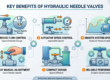
Hydraulic Needle Valve
A hydraulic needle valve is designed for accurate and gradual flow adjustment. It uses a tapered needle-like component that moves into a matching seat as the valve is operated.
Unlike a valve designed mainly for quick isolation, a needle valve allows the operator to make fine adjustments to fluid flow. This makes it useful when precise regulation is important.
Hydraulic needle valves are commonly used in:
- Hydraulic control circuits
- Instrumentation systems
- Oil and gas applications
- Chemical processing
- Power plants
- Industrial machinery
Ped Lock Valves offers different hydraulic needle valve configurations, including high-pressure, stainless steel, angle, and inline designs for applications where accurate flow regulation and reliable sealing are required.
Advantages of Hydraulic Needle Valves
- Precise flow adjustment
- Excellent control at low flow rates
- Reliable sealing
- Suitable for high-pressure systems
- Available in different configurations
- Useful for critical control applications
Hydraulic Check Valve
A hydraulic check valve allows fluid to move in one direction while restricting reverse flow. It operates automatically based on the direction and pressure of the fluid, so it does not normally require manual operation.
Check valves are useful for protecting hydraulic components and maintaining the desired flow direction within a circuit.
They are commonly found in:
- Hydraulic power units
- Pumps
- Hydraulic machinery
- Industrial processing equipment
- Fluid power systems
Advantages of Hydraulic Check Valves
- Prevent reverse flow
- Protect hydraulic components
- Support stable system operation
- Automatic operation
- Simple and reliable design
We include hydraulic check valves within our hydraulic valve range for industrial fluid control applications.
Advantages of Hydraulic Valves
Hydraulic valves offer several benefits that make them essential components in industrial and mobile hydraulic systems.
Precise Fluid Control
Different valve designs allow operators and automated systems to control fluid movement accurately. Flow control and needle valves are particularly useful when gradual adjustment is required.
Improved Machine Performance
Proper fluid control helps hydraulic equipment perform smoothly. By managing pressure, direction, and flow, valves contribute to controlled actuator movement and consistent machine operation.
Enhanced Safety
Valves can help isolate equipment, prevent unwanted fluid movement, and control pressure within a hydraulic circuit. This can reduce the risk of damage caused by uncontrolled hydraulic flow.
Better Energy Efficiency
Controlling hydraulic flow appropriately can help prevent unnecessary fluid movement and pressure losses. This can contribute to more efficient operation of hydraulic equipment.
Reliable Operation
High-quality valves manufactured from suitable materials can withstand demanding operating conditions, including high pressure and temperature variations.
Flexible Applications
Hydraulic valves are used across many industries. Ped Lock Valves identifies applications including automotive, cement, chemical, construction, defence, fertilizer, food, metal, petrochemical, power, pharmaceutical, textile, and other industrial sectors.
How to Choose the Right Hydraulic Valve
Selecting a hydraulic valve should not be based only on size or price. The valve needs to match the operating conditions and control requirements of the hydraulic system.
Consider the following factors before selecting a valve:
Operating Pressure
Check the maximum pressure the valve will experience. A valve should have an appropriate pressure rating for the application.
Fluid Type
The hydraulic fluid or process medium can affect the material and sealing requirements of the valve. Make sure the valve materials are compatible with the fluid.
Flow Rate
Determine the required flow rate before selecting a flow control or other hydraulic valve. The valve should provide adequate capacity without creating unnecessary restrictions.
Temperature
Operating temperature can affect valve materials, seals, and overall performance. Consider both the normal operating temperature and possible temperature variations.
Valve Function
Identify what the valve needs to do. For example:
- Need quick isolation? Consider a hydraulic ball valve.
- Need precise flow adjustment? A hydraulic needle valve may be suitable.
- Need to regulate flow rate? Consider a hydraulic flow control valve.
- Need to prevent reverse flow? A hydraulic check valve can be appropriate.
Material and Construction
Material selection is important when valves are exposed to corrosive environments, high temperatures, or demanding industrial conditions. Stainless steel and other engineered materials may be selected according to the application.
Hydraulic Valves and Supporting Components
A hydraulic valve rarely works alone. A complete hydraulic system can include various supporting components such as hydraulic tube fittings, hydraulic pipe fittings, hydraulic weld fittings, hoses, instrumentation valves, and pressure-related accessories.
These components need to work together properly to maintain system integrity and minimize leakage or pressure-related problems.
Our product range includes hydraulic valves along with hydraulic tube fittings, hydraulic pipe fittings, hydraulic weld pipe fittings, precision pipe fittings, hoses, instrument valves, and other industrial fluid-control products.
Applications of Hydraulic Valves
Hydraulic valves are used wherever controlled fluid power is required. Their applications range from small hydraulic systems to large industrial installations.
Common applications include:
- Manufacturing machinery
- Construction equipment
- Oil and gas systems
- Chemical processing plants
- Power generation
- Pharmaceutical equipment
- Food processing systems
- Material handling machinery
- Automotive equipment
- Heavy engineering
- Agricultural machinery
- Industrial automation
The specific valve type depends on the pressure, flow, fluid, temperature, and control requirements of each application.
Why Quality Matters When Selecting Hydraulic Valves
A hydraulic valve may be a relatively small component compared with the machinery around it, but its performance can have a significant impact on the entire system.
Poor-quality or incorrectly selected valves can contribute to leakage, inconsistent flow control, pressure problems, premature wear, and unplanned maintenance.
For this reason, it is important to work with a manufacturer that understands the application and can provide valves designed according to the required operating conditions.
Ped Lock Valves has been operating since 1985 and provides hydraulic and instrumentation valves, fittings, and related components. Its manufacturing and quality processes cover machining, assembly, and testing, with products designed for demanding conditions including high pressure, temperature variations, and corrosive environments.
Conclution
Hydraulic valves are essential for maintaining controlled, safe, and efficient fluid movement in hydraulic systems. From the quick shut-off capability of a hydraulic ball valve to the precise adjustment offered by a hydraulic needle valve, each valve type serves a specific purpose.
A hydraulic flow control valve can help regulate fluid flow and actuator speed, while check valves prevent unwanted reverse movement and manifold valves provide compact multi-function control.
The best valve ultimately depends on the application’s pressure, flow rate, temperature, fluid compatibility, installation requirements, and control needs. Choosing the right valve from a reliable manufacturer can help improve system performance, reduce maintenance requirements, and support dependable long-term operation.