

Hydraulic systems are widely used in industries where controlled movement, reliable performance, and precise fluid regulation are essential. From manufacturing equipment to heavy machinery, hydraulic components help maintain smooth and efficient operations.
One important component used in these systems is the hydraulic needle valve. It is designed to regulate fluid flow with accuracy, making it suitable for applications where gradual adjustment and controlled movement are required.
Hydraulic needle valves are commonly used in industrial equipment to manage flow rates, adjust actuator speed, and support stable system operation. Understanding their applications can help businesses select the right valve for their hydraulic requirements.
What Is a Hydraulic Needle Valve?
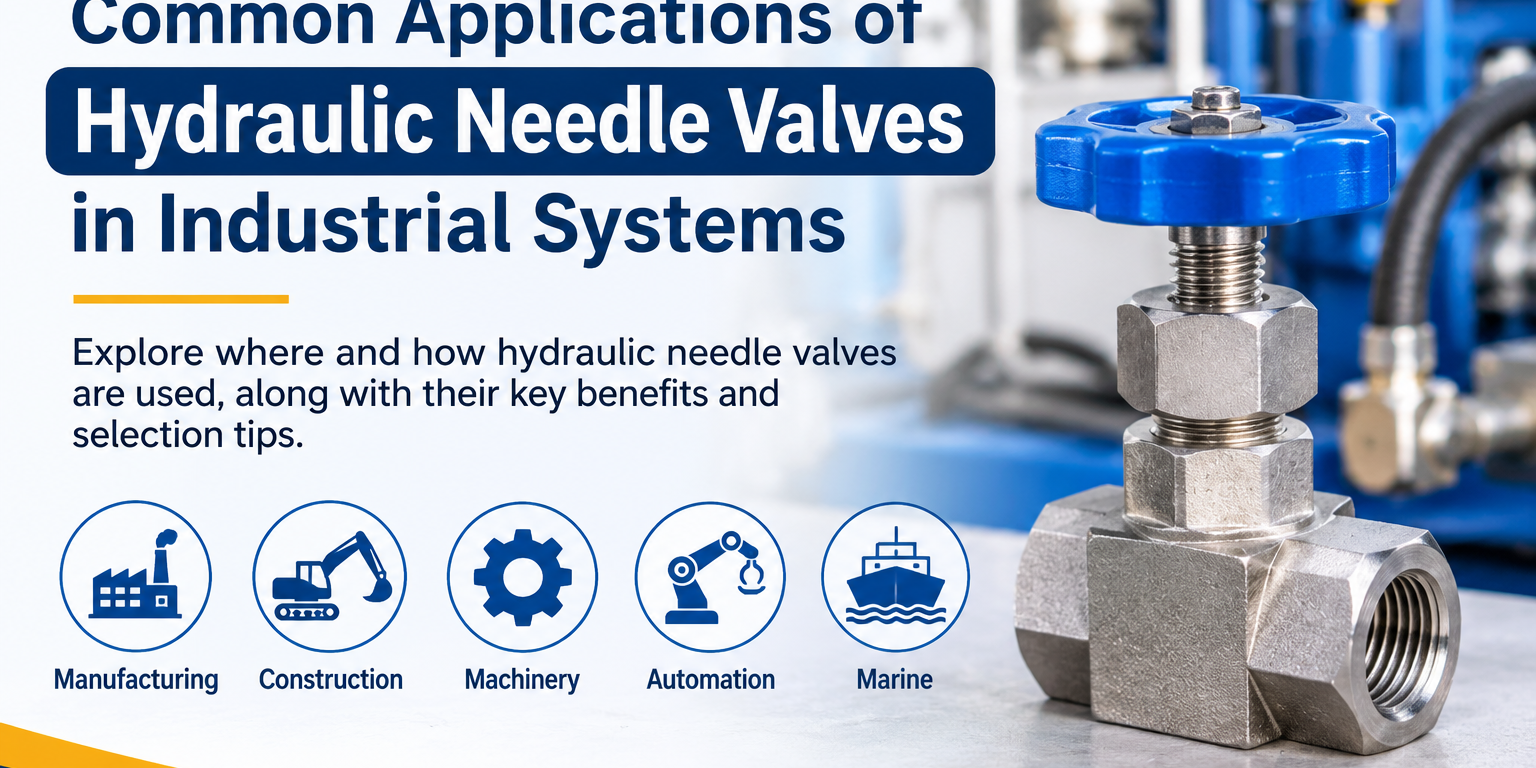
A hydraulic needle valve is a flow control valve that uses a slender, tapered needle to regulate the amount of hydraulic fluid passing through an opening.
When the valve handle is turned, the needle moves closer to or farther away from the valve seat. This changes the flow passage and allows the operator to adjust the fluid flow according to the system’s needs.
Unlike simple on-off valves, needle valves provide gradual flow adjustment. This makes them useful in applications where precise control is more important than achieving a high flow rate.
Common Applications of Hydraulic Needle Valves
Industrial Manufacturing Equipment
Manufacturing facilities use hydraulic systems in machines that require controlled movement and consistent operation. Hydraulic needle valves help regulate the flow of fluid to different parts of the equipment.
They are commonly used in machinery such as:
- Hydraulic presses
- Metal forming machines
- Industrial production equipment
- Automated manufacturing systems
By adjusting the flow rate, operators can control the movement of hydraulic cylinders and support smoother machine operation.
Hydraulic Presses
Hydraulic presses require controlled force and movement during pressing, shaping, and forming operations. A hydraulic needle valve can help regulate the speed of hydraulic cylinders by adjusting the flow of fluid.
This controlled movement is useful in applications where sudden or rapid motion may affect product quality or machine performance.
Needle valves are often used in hydraulic circuits where gradual adjustment of cylinder movement is required.
Construction and Heavy Machinery
Construction equipment operates under demanding conditions and often requires reliable hydraulic flow control. Hydraulic needle valves can be used in selected hydraulic circuits to regulate movement and control fluid flow.
Common equipment includes:
- Excavators
- Loaders
- Cranes
- Hydraulic lifting equipment
- Earthmoving machinery
In these applications, needle valves help provide controlled movement of hydraulic components. The valve must be selected according to the operating pressure, flow requirements, and environmental conditions of the equipment.
Hydraulic Testing and Calibration Systems
Hydraulic testing systems require accurate control of fluid flow during equipment testing and calibration.
Needle valves are useful in these systems because they allow operators to make small flow adjustments. This helps create controlled test conditions and supports the evaluation of hydraulic components.
They may be used in:
- Hydraulic test benches
- Pressure testing equipment
- Flow measurement systems
- Component calibration setups
For testing applications, the valve’s pressure rating and adjustment range should match the requirements of the test system.
Oil and Fluid Processing Systems
Industrial oil and fluid processing equipment often uses hydraulic or fluid control systems to manage the movement of liquids.
Hydraulic needle valves can be installed in suitable circuits to regulate flow and support controlled operation. They may also be used in auxiliary lines where gradual flow adjustment is required.
The valve material and sealing arrangement should be compatible with the fluid being handled to ensure reliable performance.
Hydraulic Power Units
Hydraulic power units supply pressurized fluid to machinery and equipment. They contain various components, including pumps, filters, pressure control valves, and flow control valves.
A hydraulic needle valve may be used in selected circuits of a power unit to adjust fluid flow to connected equipment.
It can help regulate actuator speed or control the flow supplied to a specific branch of the hydraulic circuit.
However, needle valves should not be used as a substitute for pressure relief valves or other safety components.
Material Handling Equipment
Material handling systems use hydraulic mechanisms to lift, lower, position, and move heavy loads.
Hydraulic needle valves can help regulate the movement of hydraulic cylinders in suitable applications, allowing gradual adjustment of operating speed.
They may be used in:
- Hydraulic lifting platforms
- Industrial handling machines
- Hydraulic worktables
- Load positioning equipment
Proper flow control helps support smooth movement and reduces the possibility of abrupt actuator operation.
Agricultural Machinery
Agricultural equipment often uses hydraulic systems to operate lifting mechanisms, attachments, and other moving components.
Hydraulic needle valves can be used in selected circuits where controlled fluid flow is needed.
Examples include hydraulic attachments, lifting systems, and equipment requiring adjustable actuator movement.
The valve should be suitable for outdoor operating conditions, including exposure to dust, vibration, and changing temperatures.
Marine and Offshore Hydraulic Systems
Marine and offshore equipment may require hydraulic control for lifting, positioning, and operating mechanical components.
Needle valves can be used in appropriate hydraulic circuits to regulate fluid flow and support controlled movement.
For marine applications, valve selection should consider corrosion resistance, operating pressure, fluid compatibility, and the environmental conditions in which the equipment operates.
Industrial Automation Systems
Modern industrial automation relies on hydraulic equipment for applications requiring force and controlled movement.
Hydraulic needle valves can be used in circuits where operators need to adjust actuator speed or fine-tune fluid flow.
They are particularly useful in applications that require gradual movement rather than rapid operation.
When integrated correctly, these valves can support consistent machine performance and help meet specific operating requirements.
Benefits of Using Hydraulic Needle Valves in Industrial Systems
Hydraulic needle valves offer several advantages when used in suitable applications.
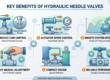
- Precise flow adjustment: The tapered needle allows gradual regulation of fluid flow.
- Controlled actuator movement: Adjusting the flow can help control the speed of hydraulic cylinders and motors.
- Simple operation: Many needle valves have a straightforward design that makes manual adjustment convenient.
- Compact construction: Their compact size makes them suitable for installation in many hydraulic circuits.
- Versatile applications: They can be used in manufacturing, testing, material handling, and other industrial systems.
It is important to remember that needle valves are generally intended for flow regulation. They are not designed to replace safety valves or provide automatic pressure control.
How to Select the Right Hydraulic Needle Valve
Choosing the correct valve is important for maintaining reliable hydraulic system performance. Before purchasing, consider the following factors:
Operating Pressure
Check the maximum working pressure of the hydraulic system and ensure that the valve is rated for the required pressure.
Flow Capacity
Select a valve that can handle the required flow rate without creating excessive pressure drop.
Fluid Compatibility
The valve body, needle, and sealing materials should be compatible with the hydraulic fluid used in the system.
Connection Type
Check whether the valve requires threaded, tube, or another connection type suitable for the hydraulic circuit.
Operating Conditions
Consider temperature, vibration, environmental exposure, and the frequency of valve adjustment.
Working with an experienced hydraulic needle valve manufacturer can help you identify a suitable valve based on your application and technical requirements.
Why Choose a Reliable Hydraulic Needle Valve Supplier?
The quality of hydraulic components can influence the performance and reliability of industrial equipment. Selecting a dependable supplier helps ensure that the valve meets the required specifications.
When evaluating hydraulic needle valve suppliers, consider:
- Product quality and manufacturing standards
- Pressure and flow specifications
- Material and sealing options
- Technical support
- Availability of suitable valve configurations
Reliable hydraulic needle valve manufacturers should provide clear product information and help customers understand the operating limits of their valves.
A knowledgeable hydraulic needle valve supplier can also assist with selecting the appropriate valve for specific industrial applications.
Conclusion
Hydraulic needle valves play an important role in industrial systems that require precise and gradual fluid flow adjustment. They are used in manufacturing equipment, hydraulic presses, construction machinery, testing systems, material handling equipment, and many other applications.
By controlling the flow of hydraulic fluid, these valves help regulate actuator movement and support smooth equipment operation.
Selecting the right valve based on pressure, flow capacity, fluid compatibility, and operating conditions is essential for achieving reliable performance. With proper selection and installation, hydraulic needle valves can be a valuable component in a wide range of industrial hydraulic systems.
Ped Lock Valves provides hydraulic valve solutions for industrial fluid control requirements, helping businesses select suitable components for their applications.